Content · 2026 · 3 min read
Secure Payment Authentication: Proposal Writing Sample
A practice proposal demonstrating structured client communication -- framing a payment security challenge for a growing UK retail brand and recommending an app-based authentication model with clear implementation and success metrics.
- Context
- Self-initiated (practice sample)
- Role
- Solo project -- proposal writing, structured recommendation
- Duration
- 1 week
Frameworks applied
- Client challenge framing
- Structured recommendation
- Implementation planning
- Success metrics definition
Purpose of this sample
This is a self-directed proposal writing sample. It demonstrates the ability to frame a client challenge clearly, structure a recommendation logically, and communicate implementation considerations in plain language -- skills directly transferable to consulting, strategy, and brand communication roles.
The scenario is fictional. All content is original.
The brief
A growing UK retail brand is expanding its online, mobile, and in-store payment channels. As digital transactions increase, the client wants to keep checkout simple while strengthening customer confidence in payment security.
Customers across age groups may be concerned about fake emails, scam texts, phishing attempts, and confusing payment requests. Some customers also use more than one mobile device, making trusted-device management and clear authentication steps important.
The client needs a payment experience that is convenient, accessible, and secure without creating unnecessary friction for everyday transactions.
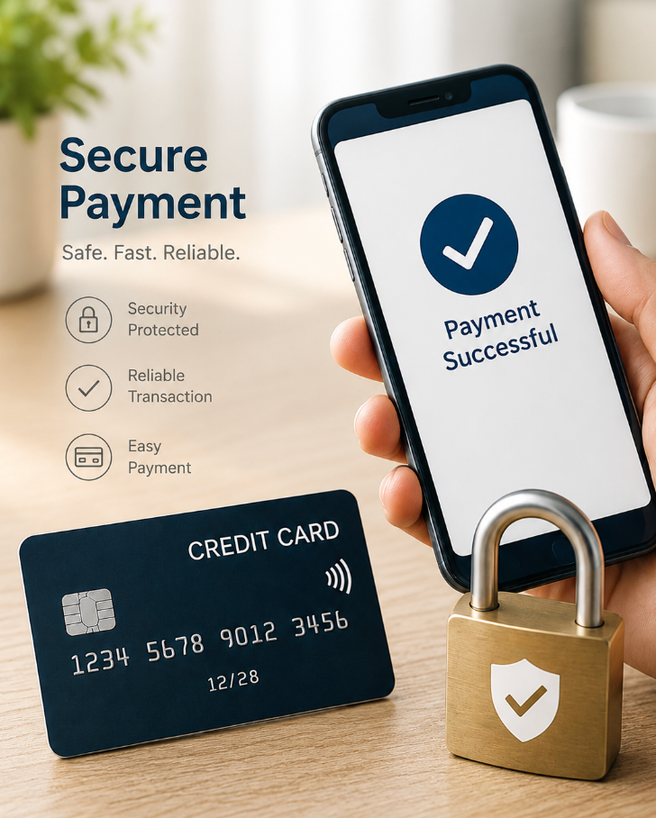
Concept visual from the proposal sample: payment confidence depends on clear confirmation cues, not just additional security steps.
Proposed approach
Introduce a secure, app-based payment authentication model that combines trusted device verification, transaction confirmation, clear alerts, and customer education.
Core features of the proposed model:
- App-based confirmation for selected transactions
- Additional verification for higher-value or unusual payments
- Trusted device registration and removal for customers using one or more devices
- Clear transaction alerts showing amount, merchant, timing, and channel
- Customer education explaining how genuine authentication requests will appear
- Simple reporting routes for suspicious messages or payment activity
Key benefits
| Benefit | Client value |
|---|---|
| Stronger customer trust | Customers receive clearer confirmation of genuine payment activity |
| Improved app engagement | The app becomes a practical channel for secure approval, alerts, and guidance |
| Reduced fraud confusion | Clear authentication journeys can reduce uncertainty around scam texts or fake emails |
| Accessible experience | Simple language and step-by-step support help customers across age groups |
Implementation considerations
The client should balance security and convenience. Low-risk everyday transactions should remain simple, while higher-risk or higher-value transactions can trigger additional authentication.
- Use plain language and consistent visual cues across app, email, SMS, and website guidance
- Avoid making customers rely on links in suspicious messages
- Provide short explainer videos and in-app step-by-step guidance
- Coordinate product, fraud/risk, customer support, legal/compliance, and communications teams before launch
- Monitor customer questions after launch to identify where instructions need to be clearer
Success metrics
| Metric | What it indicates |
|---|---|
| Authentication completion rate | Whether customers can complete the secure approval journey |
| Checkout completion rate | Whether added security creates too much friction |
| App engagement rate | Whether customers use the app for payment confirmation and alerts |
| Fraud-related customer contacts | Whether customer confusion around suspicious messages decreases |
| Customer trust score | Whether the experience improves confidence in digital payments |
What this sample demonstrates
This proposal demonstrates structured professional communication: framing a client challenge without jargon, recommending a solution with clear rationale, anticipating implementation complexity, and defining measurable outcomes. The same thinking applies directly to brand briefs, marketing strategy documents, and client-facing strategy decks.